
Jet Blast Protection Solutions
IAC’s range of Jet Blast Protection Solutions deliver superior protection in the widest possible range of airfield applications, while providing outstanding operational performance and flexibility.
For over 70 years IAC have been developing solutions with clients where people make the difference to the project outcome. Discover the IAC advantage, combining our global experience and expertise in acoustics, with extensive technical knowledge of aircraft and engine testing compliance.
IAC’s range of jet blast deflectors for airports are all safety and performance orientated. They are designed to protect infrastructure, personnel and vehicle movements where noise and safety are major challenges. Our goal is to promote a protected environment both on and off airport by reducing the impact of noise and jet blast.
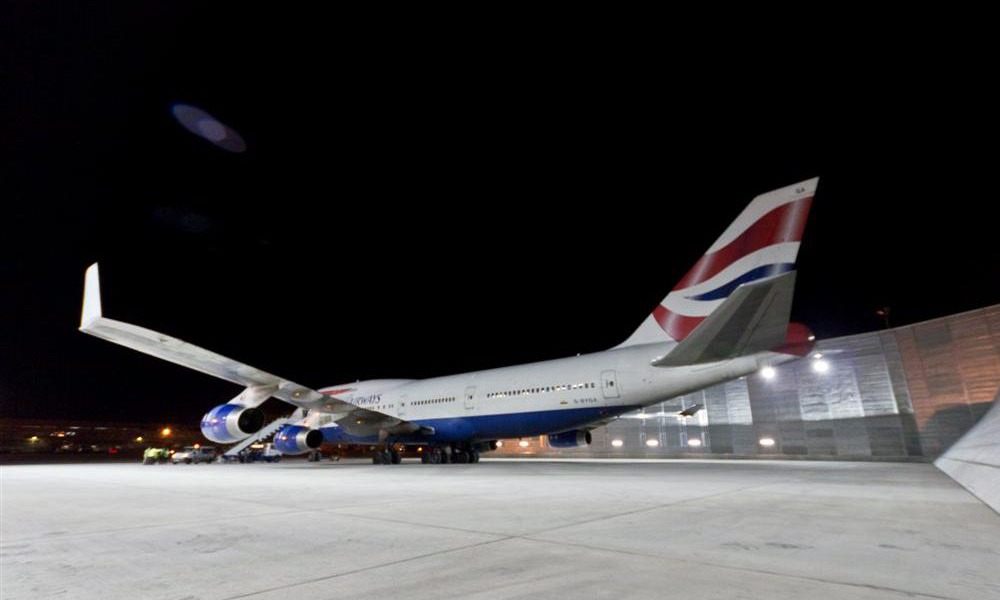
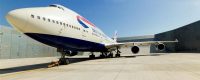
Airport operational efficiency can be severely restricted by noise emission and control issues relating to ground run-up engine maintenance testing. IAC’s solution is a ground run-up enclosure or GRE – a high performance aerodynamically designed acoustic enclosure. Offering market leading performance with a scalable cost-effective modular design, we are able to extend the availability and operational effectiveness of aviation engine testing facilities.
Our Ground Run-up Enclosures and Jet Blast Deflector solutions can be applied from the smallest private airports right the way through military applications and to the largest of commercial international airports.







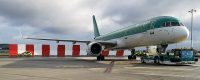


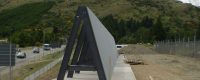

 Jet blast deflector fences or barriers are used to control the impact of aircraft generated airflow as they manoeuvre around an airfield, or during ground testing at higher engine power settings.
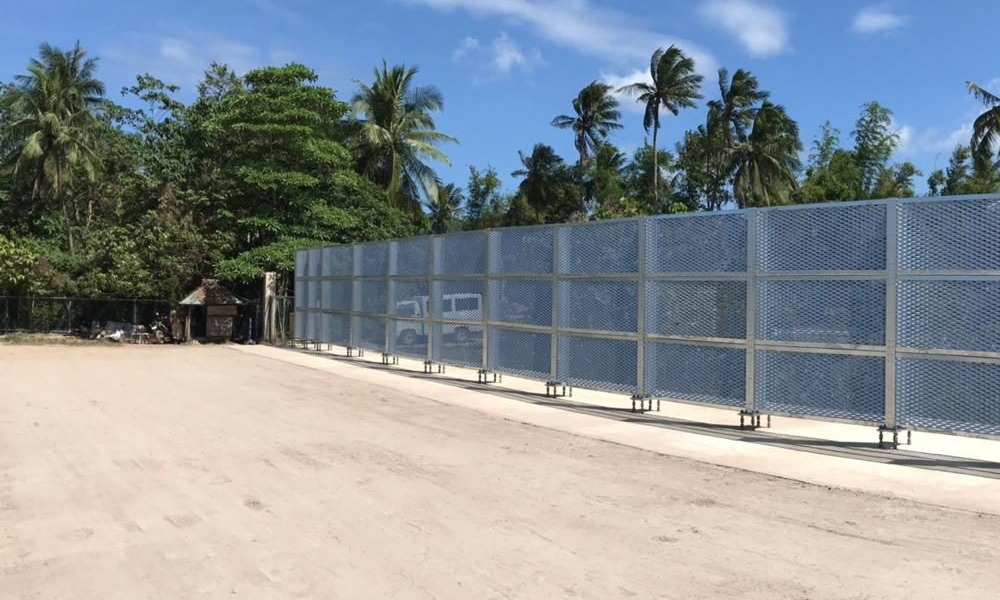
 The Vertical Mesh Barrier is a highly efficient, low footprint, visually transparent jet blast deflector system that provides protection for operations at break-away power settings. It is an appropriate blast deflection solution for all aircraft up to and including the Airbus A380.
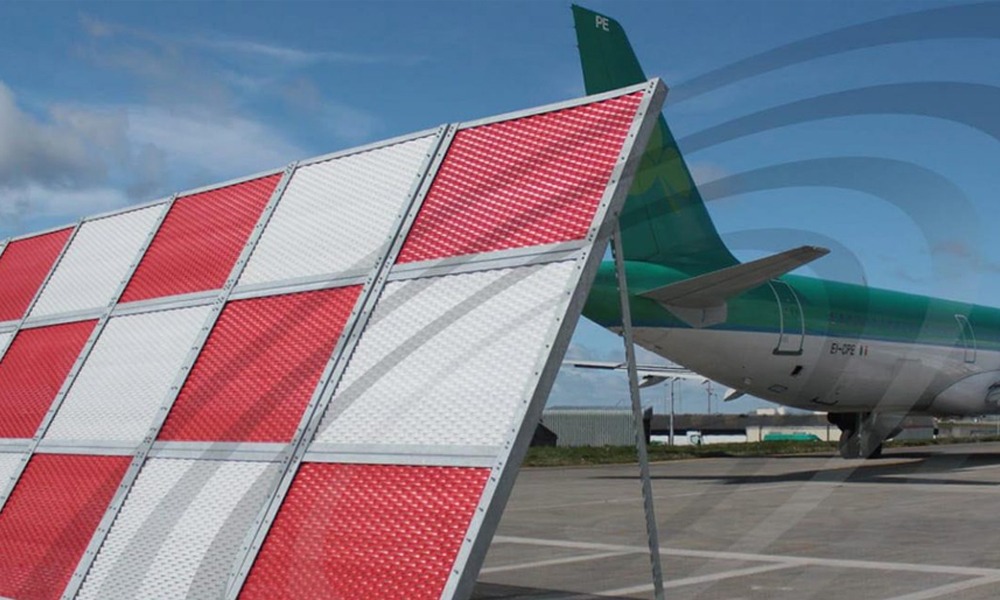
 Certain scenarios require visual transparency with enhanced aerodynamic performance. The Angled Mesh Barrier gives an almost 90 degree change of direction to the jet flow. This increases the size (height) of the protected area behind the barrier, giving a wider range of options for application when a larger base footprint is available.
 For the full range of aircraft at all power settings, the Curved Solid Barrier gives the maximum possible protection. The shape was developed using sophisticated computer modelling techniques which have been field verified and demonstrate the principle to ‘collect’ and then ‘eject’ the jet blast in the most efficient aerodynamic way.
 In association with our global partners (Blastwall Ltd), IAC can offer the original and patented fiberglass barrier series of products for deflector installations near to airport systems such as radar or ILS. The fiberglass barrier solution is frangible for impact risk and also completely corrosion free due to its material of construction, including fibreglass bolts. It is lightweight and easy to assemble, with lifting equipment only necessary for the larger versions. This barrier is ideal for end of runway applications where passing roadways need protection.
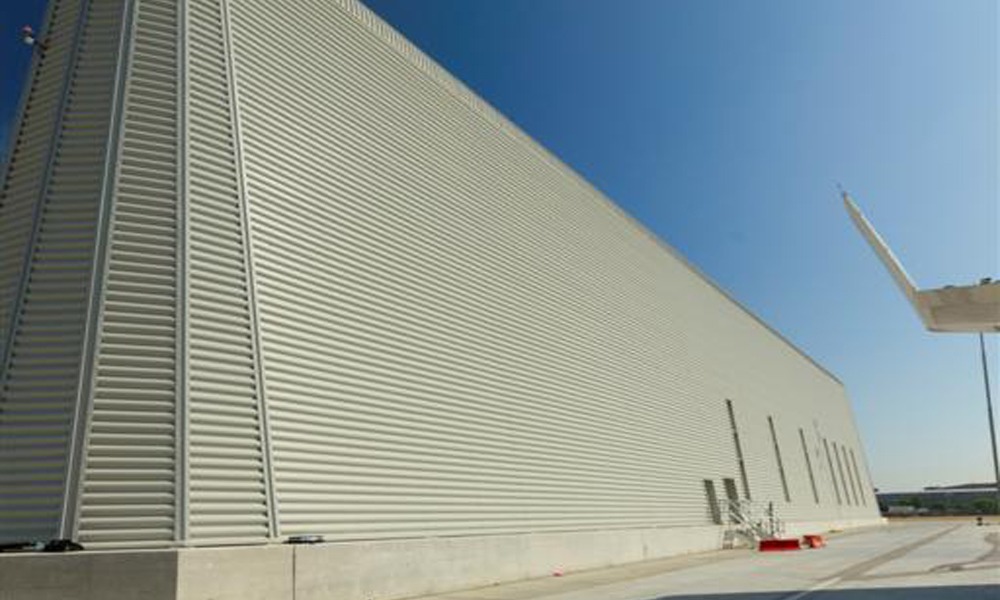
 Our specialist acoustic barriers to mitigate noise problems can provide over 10dB(A) reduction in noise levels when installed. The barriers, depending on performance requirements, will use one of our standard acoustic panels integrated to structural steel columns to form a continuous surface that can offer absorption as well as excellent transmission loss performance. All components are designed for extremely low maintenance, continuous outdoor use in harsh environments and will give many years of environmental noise reduction following installation.
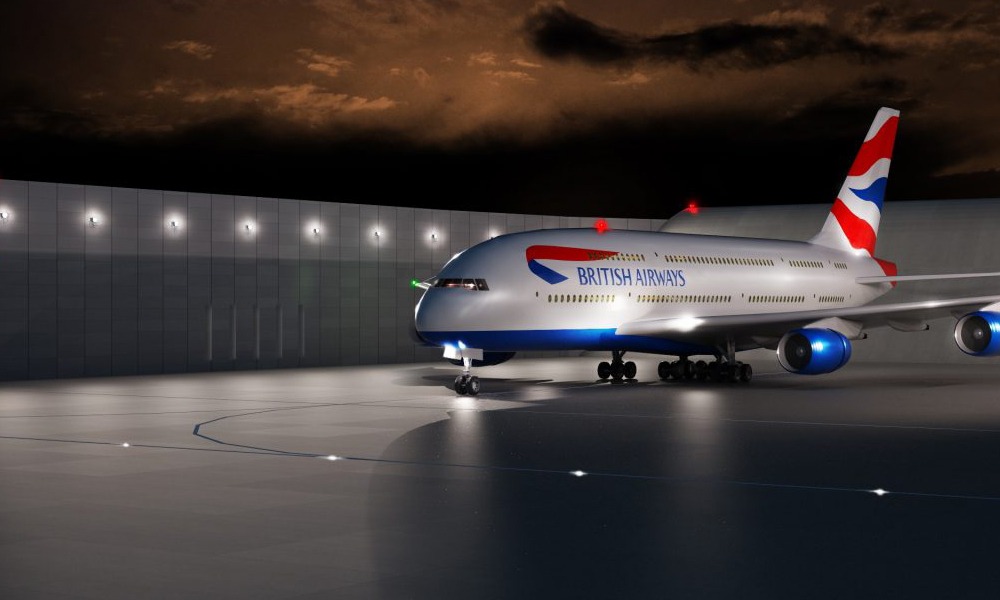
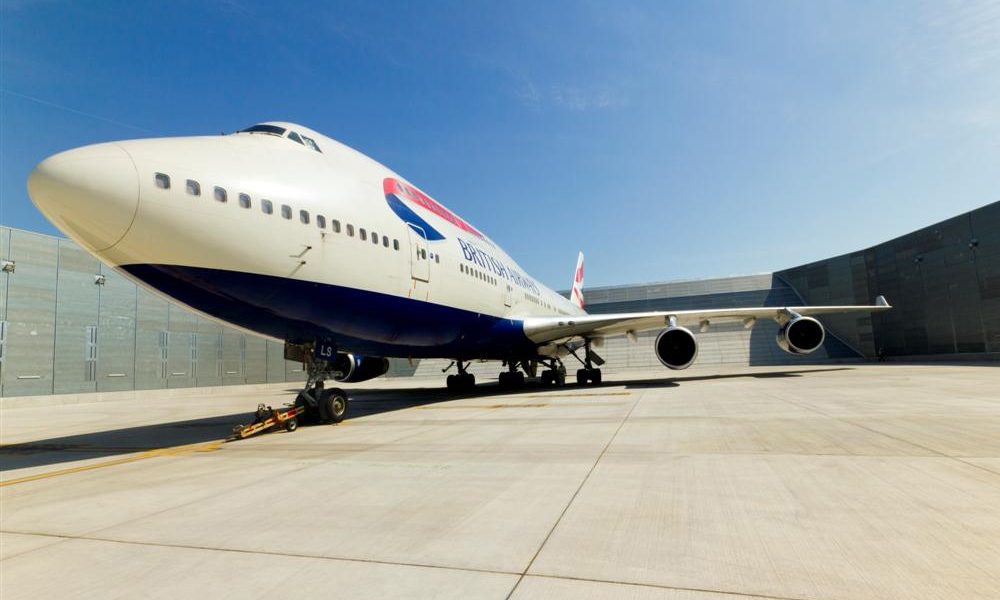
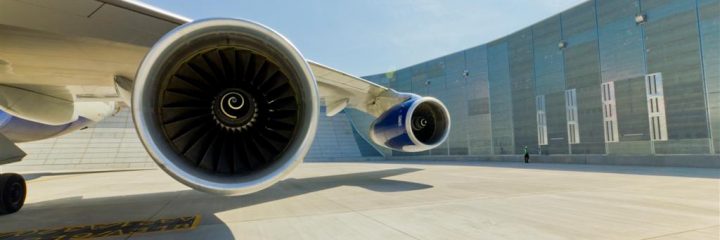
 IAC’s Ground Run-up Enclosure (GRE) is a combined acoustic and jet blast protection single structure that facilitates aircraft engine testing. Typically either for first engine runs after manufacture or post maintenance activities, for MRO’s or airlines.
  Our GRE design ensures that we maximise efficiency in airfield operations. Designs are optimised for aero acoustics to enhance crosswind and tailwind operation, increasing the availability of run-up time and operational flexibility.